Medieval romance represents one of literature's most enduring and beloved genres, spanning from ancient courtly tales to contemporary historical fiction. Characterized by chivalric codes, courtly love, noble quests, and idealized medieval settings, medieval romance transports readers to a world of castles and tournaments, honor and devotion, adventure and passion.
Whether exploring the classic medieval romances of Arthurian legend or modern historical romance novels set in the Middle Ages, this genre offers a rich tapestry of storytelling that combines historical authenticity with timeless themes of love, loyalty, and heroism.
Table of Contents
Medieval Romance is a literary genre featuring narratives of chivalric adventure, courtly love, and heroic quests set in or inspired by the Middle Ages. It encompasses both classical medieval literature and modern historical romance novels featuring medieval settings, knights, nobility, and the codes of honor that defined the era.
Origins and Evolution
The Medieval Origins
The term "romance" originally referred to narratives written in the Romance languages (French, Spanish, Italian) rather than Latin during the medieval period (roughly 500-1500 CE). These early romances were verse narratives that told stories of chivalric adventure, often featuring knights, quests, and courtly love.
The medieval romance tradition emerged in 12th-century France and spread throughout Europe, evolving from earlier epic poetry and Celtic legends. Key developments included:
- Chansons de geste (11th-12th centuries) – Epic poems celebrating heroic deeds, such as The Song of Roland
- Courtly romances (12th-13th centuries) – Narratives emphasizing refined love and chivalric codes
- Arthurian cycle – Stories of King Arthur, the Knights of the Round Table, and the quest for the Holy Grail
- Troubadour poetry – Lyric poetry celebrating courtly love and noble ladies
Classical Medieval Romances
The Middle Ages produced enduring romantic literature that continues to influence the genre today:
- Chrétien de Troyes (12th century) – French poet who wrote definitive Arthurian romances including Lancelot, the Knight of the Cart and Perceval, the Story of the Grail
- Gottfried von Strassburg – Author of Tristan (c. 1210), the tragic romance of Tristan and Isolde
- Sir Thomas Malory – Compiled Le Morte d'Arthur (1485), the comprehensive English retelling of Arthurian legends
- The Romance of the Rose (13th century) – Allegorical poem about courtly love
The Evolution to Modern Medieval Romance
After the medieval period, the romance tradition evolved through several stages:
- Renaissance revival – Works like Spenser's The Faerie Queene (1590s) reimagined chivalric romance
- Gothic romance (18th-19th centuries) – Medieval settings combined with mystery and atmosphere
- Victorian medievalism – Writers like Sir Walter Scott (Ivanhoe, 1820) and Alfred Lord Tennyson (Idylls of the King, 1859-1885) romanticized the medieval period
- Modern historical romance (1970s-present) – The explosion of historical romance novels, many set in medieval times
Defining Characteristics
Medieval Settings
Medieval romance typically features settings from the Middle Ages (approximately 500-1500 CE), including:
- Castles, fortresses, and manor houses
- Medieval courts and kingdoms
- Tournaments, jousts, and battles
- Monasteries, abbeys, and churches
- Villages, markets, and countryside
- Specific historical periods (Dark Ages, High Middle Ages, Late Medieval period)
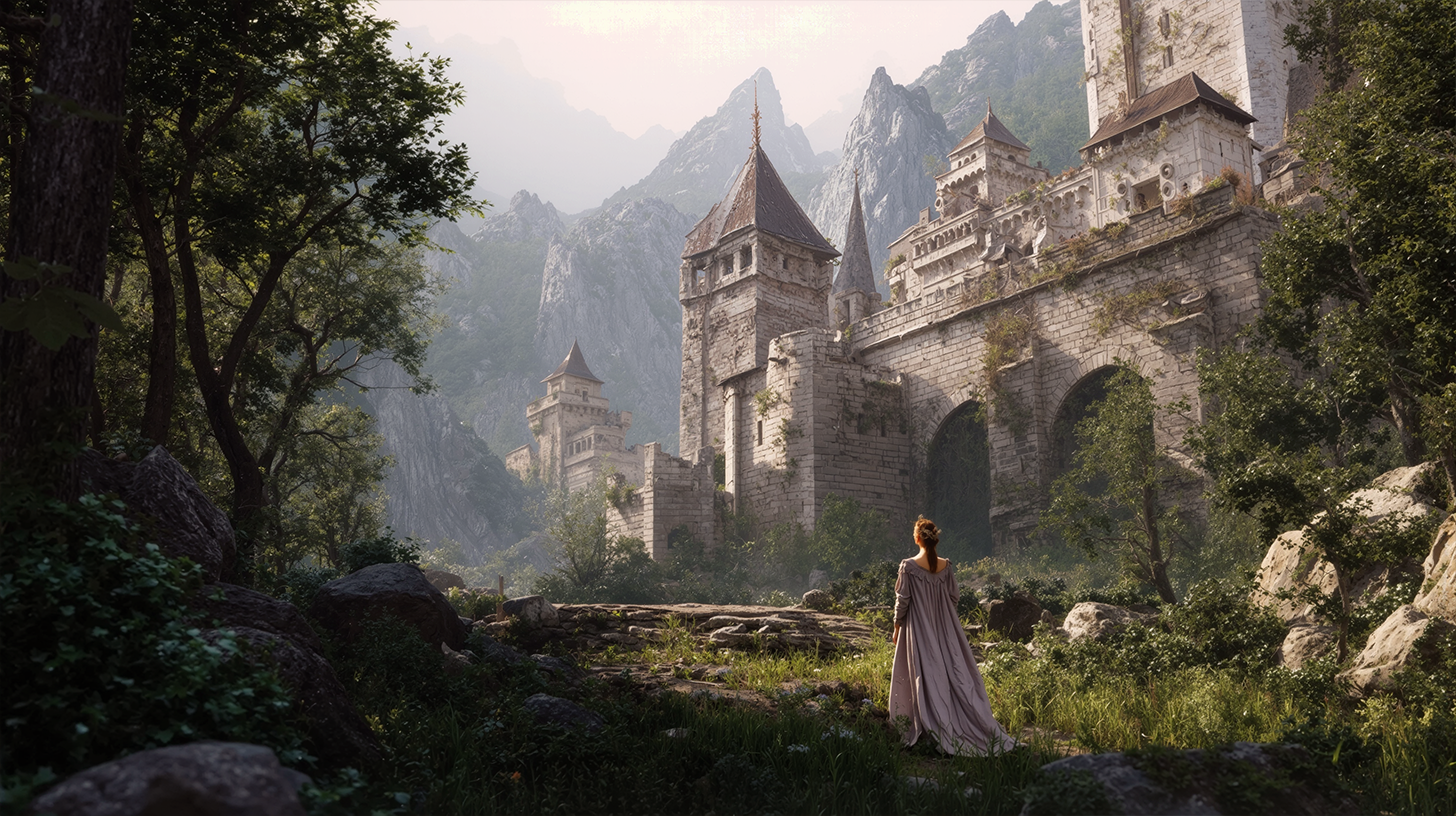
Medieval romance setting
Chivalric Codes and Honor
The code of chivalry—a moral and social code governing knightly behavior—is central to medieval romance:
- Valor and courage – Bravery in battle and willingness to face danger
- Honor and integrity – Keeping one's word and maintaining reputation
- Loyalty – To lord, lady, and kingdom
- Courtesy and nobility – Refined manners and gentle behavior
- Protection of the weak – Defending women, children, and the helpless
- Devotion to duty – Fulfilling obligations and completing quests
Courtly Love
Courtly love—a medieval European literary conception of love—emphasizes nobility, refinement, and often unrequited or idealized devotion:
- Idealization of the beloved, often a noble lady
- Service and devotion expressed through noble deeds
- Love as ennobling and refining influence
- Tension between duty and desire
- Formalized courtship rituals and poetry
Quests and Adventures
Medieval romances often center on quests—journeys undertaken to achieve a goal, prove worth, or fulfill a vow:
- Searching for sacred relics (like the Holy Grail)
- Rescuing imprisoned or endangered nobles
- Proving worthiness to marry or serve
- Defending realms from invaders or dark forces
- Seeking redemption or achieving spiritual enlightenment
Noble Protagonists
Traditional medieval romance features aristocratic characters:
- Knights and warriors
- Nobles, princes, and princesses
- Lords and ladies
- Characters of noble birth or elevated by noble deeds
Modern medieval romance has expanded to include characters from various social classes, but nobility and honor remain thematic constants.
Related Subgenres and Distinctions
Historical Romance
Historical romance is a broader category encompassing romantic fiction set in any historical period. Medieval romance is a subset specifically focused on the Middle Ages. While all medieval romances are historical romances, not all historical romances are medieval.
Medieval Fantasy
Medieval fantasy uses medieval-inspired settings but includes magic, mythical creatures, and supernatural elements. The key distinction:
- Medieval Romance – Focuses on realistic (or semi-realistic) medieval settings with emphasis on romance and chivalry
- Medieval Fantasy – Incorporates explicit magic and fantastical elements into medieval-inspired worlds
Some works blend both, featuring historical medieval settings with subtle magical or legendary elements.
Regency Romance
Set in the Regency era (1811-1820) or broader Georgian period in England, Regency romance shares some characteristics with medieval romance (emphasis on social codes, nobility, courtship) but features a later historical period with different social structures.
Paranormal Historical Romance
This combines historical settings (often medieval) with paranormal elements like vampires, werewolves, or witches, creating a hybrid of medieval romance and fantasy.
Medieval Romantasy
Medieval romantasy is the contemporary adult subgenre of medieval romance — high-heat, open-door fiction set in the Middle Ages where the romance is as central as the plot. Unlike paranormal historical romance, medieval romantasy has no supernatural elements. The danger is entirely human: war, betrayal, feudal hierarchy, and survival. For readers seeking explicit adult romance in a medieval setting without vampires or fae, this is the subgenre. Read our full guide to medieval romantasy.
Quick Comparison
| Subgenre | Time Period | Focus | Supernatural |
|---|---|---|---|
| Medieval Romance | 500-1500 CE | Chivalry & courtly love | Minimal/none |
| Medieval Fantasy | Medieval-inspired | Adventure & magic | Central |
| Historical Romance | Any historical era | Romance in history | Variable |
| Regency Romance | 1811-1820 | Social courtship | Minimal/none |
Notable Works in Medieval Romance
Classical Medieval Literature
Le Morte d'Arthur
Tristan and Isolde
Sir Gawain and the Green Knight
Lancelot, the Knight of the Cart
Modern Medieval Romance Classics
The Wolf and the Dove
A Knight in Shining Armor
The Bride
Outlander
Contemporary Medieval Romance
Once a Knight series
De Wolfe Pack series
Medieval Heroes series
MacLeods of Skye series
Kingdom of Meridian series
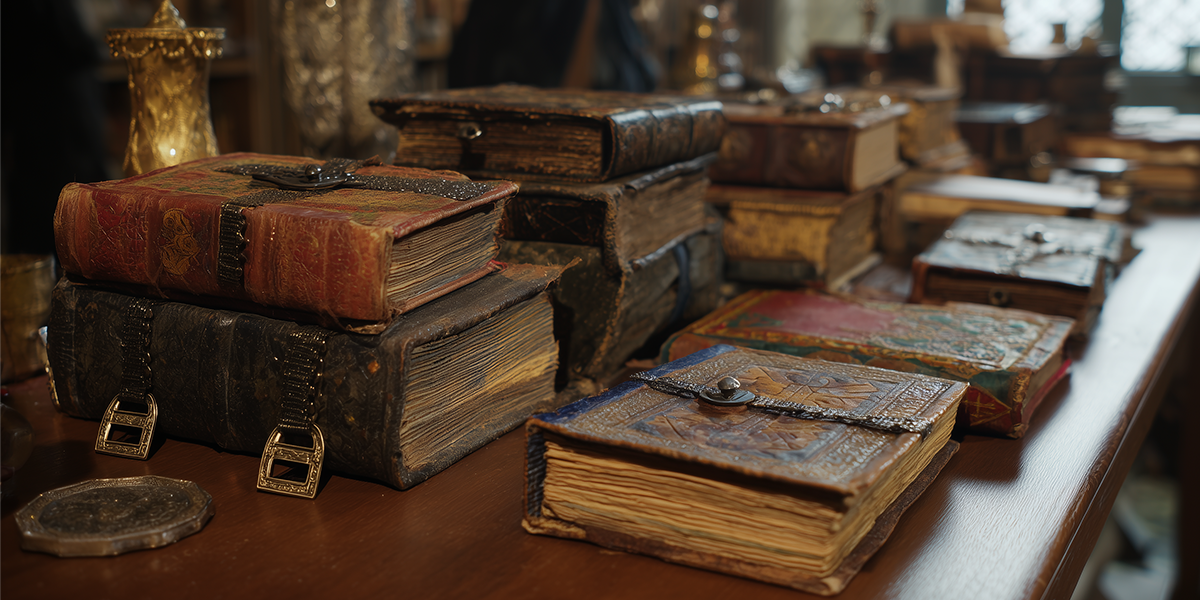
Medieval romance collection
Why Medieval Romance Resonates
Timeless Themes
Medieval romance explores universal human experiences through the lens of chivalry and courtly love:
- Love conquering obstacles and social barriers
- Honor and integrity in the face of temptation
- Loyalty to ideals and loved ones
- The quest for meaning and purpose
- Courage in defending what matters
Romantic Idealism
The medieval period represents a romanticized era in popular imagination—a time when knights championed ladies, honor mattered above all, and love was worth any sacrifice. This idealization provides escapist appeal while exploring genuine emotional depths.
Rich Historical Tapestry
The Middle Ages offer rich material for storytelling:
- Dramatic historical events (Crusades, Wars of the Roses, Norman Conquest)
- Vivid settings (castles, tournaments, medieval courts)
- Fascinating cultural details (heraldry, courtly customs, medieval feast days)
- Complex social structures that create conflict and tension
Adventure and Romance Combined
Medieval romance uniquely blends action-adventure (quests, battles, tournaments) with emotional depth (courtship, devotion, sacrifice), appealing to readers who enjoy both excitement and romance.
For Readers and Writers
What to Expect When Reading Medieval Romance
Readers of medieval romance can anticipate:
- Richly detailed historical settings with careful attention to period accuracy
- Romance developing within the constraints of medieval social codes
- Heroes and heroines who embody courage, honor, and loyalty
- Adventure elements including quests, battles, and political intrigue
- Themes exploring duty versus desire, honor versus passion
- Happy endings that reward virtue and true love
Key Elements for Writers
Authors crafting medieval romance should consider:
- Historical Research – Authentic details about daily life, social structures, warfare, and customs enhance credibility
- Balancing Authenticity and Romance – Finding the line between historical accuracy and romantic idealization
- Codes of Honor – Understanding chivalric values and how they create conflict and character development
- Language and Dialogue – Creating period-appropriate speech that remains accessible to modern readers
- Social Structures – Using feudal hierarchies, marriage customs, and class distinctions to generate plot tension
- Sensory Details – Bringing medieval settings alive through sights, sounds, smells, and textures
Frequently Asked Questions
What is the difference between medieval romance and historical romance?
Medieval romance originally referred to verse narratives about chivalric adventures in the Middle Ages. Modern historical romance is a broader category that includes romantic novels set in any historical period. Medieval romance novels are historical romances specifically set in medieval times.
What are the key characteristics of medieval romance?
Medieval romance typically features chivalric codes of honor, courtly love traditions, quests and adventures, medieval settings with castles and courts, noble protagonists, and themes of loyalty, honor, and devotion.
What are some popular medieval romance books?
Popular medieval romance novels include works by authors like Julie Garwood, Jude Deveraux, Johanna Lindsey, and contemporary authors like Claire Delacroix and Kathryn Le Veque. Classic medieval romances include the Arthurian legends and works like Tristan and Isolde.
Experience Medieval Romance
The Kingdom of Meridian series opens in 1200 AD Russia, where a teenage girl defies the Mongol invasion and flees across the country by ship — her mother taken captive, her father killed, her fate uncertain. From servitude to the high seas to the courts of England, The Beekeeper's Daughter is medieval romance rooted in history most novels never reach. The first series published by Aurous, written by Shian Serei.
Discover Kingdom of Meridian More from AurousA medieval romance scene from the Kingdom of Meridian saga — Aurous Publishing
Further Resources
For those interested in exploring medieval romance further, these resources provide additional perspectives:
- Goodreads Medieval Romance Shelf – Reader-curated lists and recommendations
- Medievalists.net Literature Section – Academic and popular articles on medieval literature
- Romance Writers of America – Professional organization with resources for readers and writers
- All About Romance: Historical Romance – Reviews and discussions of historical romance including medieval settings
Conclusion
Medieval romance continues to captivate readers centuries after the first tales of knights and ladies were composed. Whether exploring the classical romances of Arthurian legend or discovering contemporary novels set in medieval times, the genre offers a rich blend of adventure, history, and timeless human emotion.
The enduring appeal of medieval romance lies in its celebration of ideals—honor, courage, loyalty, and true love—that resonate across centuries. In an era when cynicism often prevails, medieval romance reminds us that there is beauty in nobility of spirit, power in devotion, and triumph in love that overcomes all obstacles.